Sleep and Learning: Why Your Brain Learns Most at Night
Want to actively learn this topic?
LernPilot automatically creates quizzes, flashcards, and summaries from any topic.
Sleep and Learning: Your Brain Works Overtime at Night
It's 2 AM, your exam is in 6 hours, and you're on your fifth coffee. You think: “Just 3 more chapters, then I can sleep.” But here’s the uncomfortable truth: You're wasting your time.
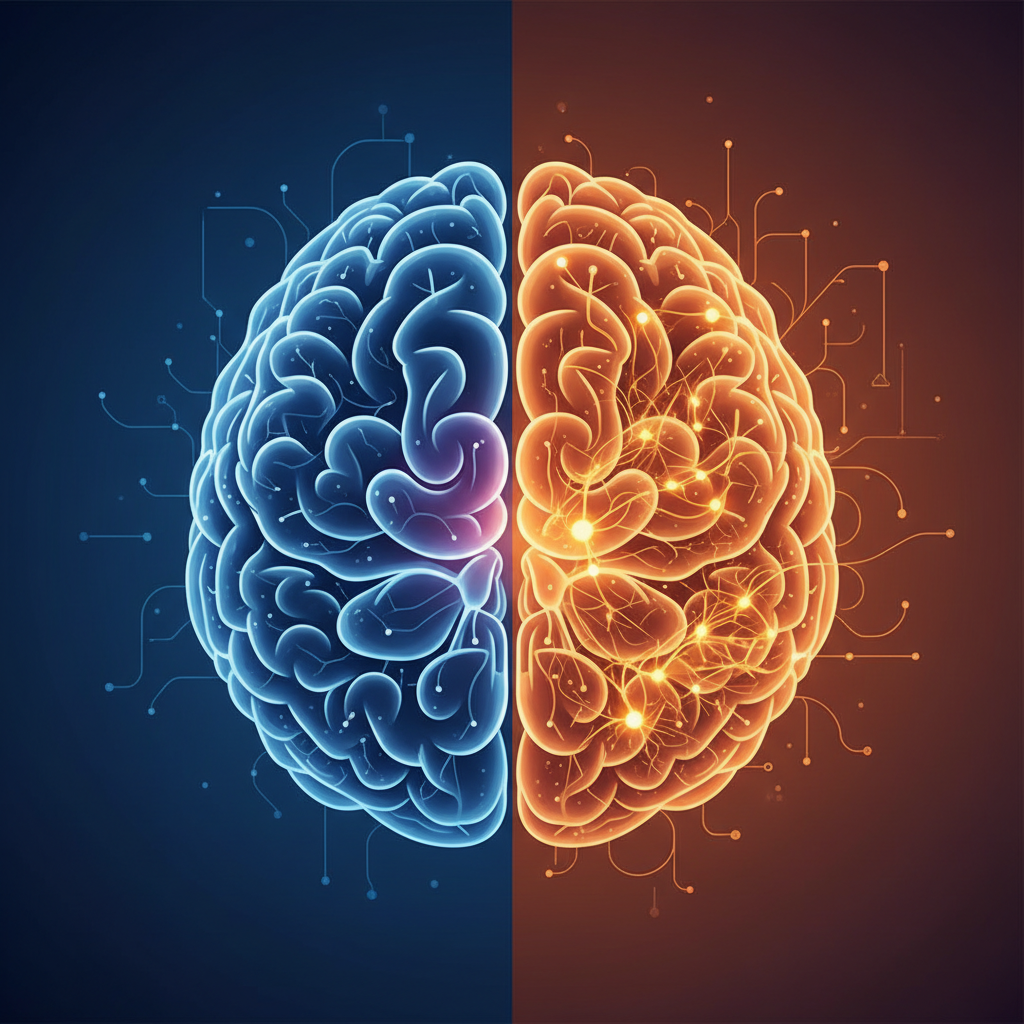
Neuroscience is clear: Sleep isn't a break from learning — sleep is learning.
What Happens to Your Brain During Sleep?
Phase 1: Light Sleep (N1-N2) Your brain sorts through the day's impressions. Unimportant information is filtered out, important information is marked.
Phase 2: Deep Sleep (N3) This is where the magic happens: Information is transferred from the hippocampus (short-term memory) to the neocortex (long-term memory). This process is called memory consolidation.
Phase 3: REM Sleep (Dream Sleep) Your brain links new information with existing knowledge. Creative connections are formed — which is why you sometimes suddenly find the solution to a problem in the morning.
The Numbers Speak for Themselves
| Sleep | Recall Performance |
|---|---|
| 8 hours sleep after learning | 90% the next day |
| 6 hours sleep | 65% the next day |
| All-nighter (0 hours) | 40% the next day |
| After 1 week without review | 20% (with sleep) vs. 5% (without) |
Source: Walker, M. (2017). Why We Sleep.
The Optimal Learning-Sleep Strategy
Morning: Learn new material Your brain is fresh and receptive. Ideal for new, complex topics.
Afternoon: Review and practice Solidify what you've learned through active practice (flashcards, quizzes).
Evening: Light review 30 minutes before sleep: Go over the most important points again. Your brain will prioritize processing them during sleep.
Night: Sleep! At least 7-8 hours. Your brain will do the rest.
The Power Nap: 20-Minute Turbo Boost
A short midday nap (10-20 minutes) can:
- Increase concentration by 34%
- Improve memory by 20%
- Boost creativity
Important: No longer than 20 minutes! Otherwise, you'll fall into deep sleep and feel groggy afterward.
Sleep Hygiene for Students
- Consistent sleep schedule — even on weekends (yes, really)
- No caffeine after 2 PM — caffeine has a half-life of 5-6 hours
- Screens off 1 hour before bed — blue light suppresses melatonin
- Cool bedroom — 16-18°C (60-65°F) is optimal
- No alcohol to fall asleep — alcohol suppresses REM sleep
The Night Before the Exam
What you should do:
- Light review in the evening (30-45 min)
- Relaxation exercises or meditation
- Get 8 hours of sleep
- Wake up early and review key points for 15 min
What you should NOT do:
- Pull an all-nighter
- Start new material
- Drink energy drinks
- Watch Netflix until 3 AM “to relax”
LernPilot Helps You Learn Smarter
- Spaced Repetition: Optimally distributes reviews over time
- Pomodoro Timer: Prevents overlearning and enforces breaks
- Learning Statistics: Shows you when you are most productive
- Streak System: Motivates regular, daily learning instead of all-nighters
Conclusion
The best learning strategy that costs nothing and works immediately: Sleep. Your brain needs the night to process and store what you've learned. Invest in your sleep — it's the smartest decision you can make for your exams.
© 2026 LEIT Smart Solutions GmbH. All rights reserved.
Ready to deepen this knowledge?
Upload your materials and LernPilot automatically creates flashcards, quizzes, and a personalized study plan.
No credit card required • Cancel anytime