The Leitner Method: Effective learning with flashcards
Learn how the Leitner Method can revolutionize your learning habits. Use flashcards systematically and effectively!
Introduction
If you are looking for an effective, proven learning method, the Leitner Method could be just right for you. Named after science journalist Sebastian Leitner, this method is a systematic way of using flashcards to retain information over the long term. In this article you will find out how the Leitner method works, what its scientific background is and how you can best apply it in your everyday learning routine.
What is the Leitner method?
The Leitner Method was developed by Sebastian Leitner in the 1970s and is based on the assumption that regular repetition of information, combined with the principle of the cardboard method, can increase the efficiency of learning.
Basic principle
The concept is simple and impresses with its structure:
- Flashcards are systematically arranged in several compartments or boxes.
- Cards that you answer correctly move to the next compartment or the next index box with larger repetition intervals.
- Cards that you answer incorrectly remain in the current compartment or move back to an earlier compartment with shorter repetition intervals.
This classification not only makes it possible to adapt the learning process individually, but also to focus specifically on problematic subject areas.
Scientific background
The success of the Leitner method can be partly explained by the concept of spaced repetition. Numerous studies, including a meta-analysis by Murre and Dros (2015), have shown that spreading repetitions over a longer period of time significantly increases retention performance.
- Effect of distributed learning: Information repeated at regular intervals is better anchored in long-term memory.
- Active reproduction: Active retrieval of knowledge increases retention performance, as a study by Roediger and Butler (2011) shows.
The Leitner method harmoniously combines these two aspects and thus offers a comprehensive solution for sustainable learning.
Application of the Leitner method
Preparation
- Topic selection: Decide which topics you want to learn and create corresponding flashcards.
- Categories: Divide the topics into categories or subjects to keep track.
- Set up a card index box: You need at least five compartments. Depending on your needs and intensity, there can be more.
The method in detail
- Start with Tray 1 (daily): All new flashcards start in Tray 1. Daily repetition is key here. Answer the questions and each correctly answered card goes into compartment 2.
- Subject 2 (every 2 days): Repeat the cards. Correctly answered cards go into compartment 3, incorrectly answered cards go back into compartment 1.
- Subject 3 (Weekly): Repeat the cards. Correctly answered cards go into compartment 4, incorrectly answered cards go back into compartment 2.
- Subject 4 (every 2 weeks): Repeat the cards. Correctly answered cards go into compartment 5, incorrectly answered cards go back into compartment 3.
- Subject 5 (monthly): The last station. These cards should contain the most internalized knowledge content.
Tips for optimizing the Leitner method
- Regularity: Discipline is the be-all and end-all. Plan fixed times for your repetition ritual.
- Revision and Adjustment: Periodically review your flashcards to update any outdated or incorrect information.
- Repeat adjustment of subjects: Add a higher frequency to simple subjects and adjust if necessary.
- Digital flashcard apps: Use digital tools like Anki or Quizlet to optimize your learning process and always have it with you.
Conclusion
The Leitner Method is a proven strategy based on the principles of regular repetition and active reproduction. It not only helps you learn faster, but also retains and consolidates knowledge in the long term. By combining traditional learning materials and modern digital tools, you can get the best of both worlds and customize your learning experience.
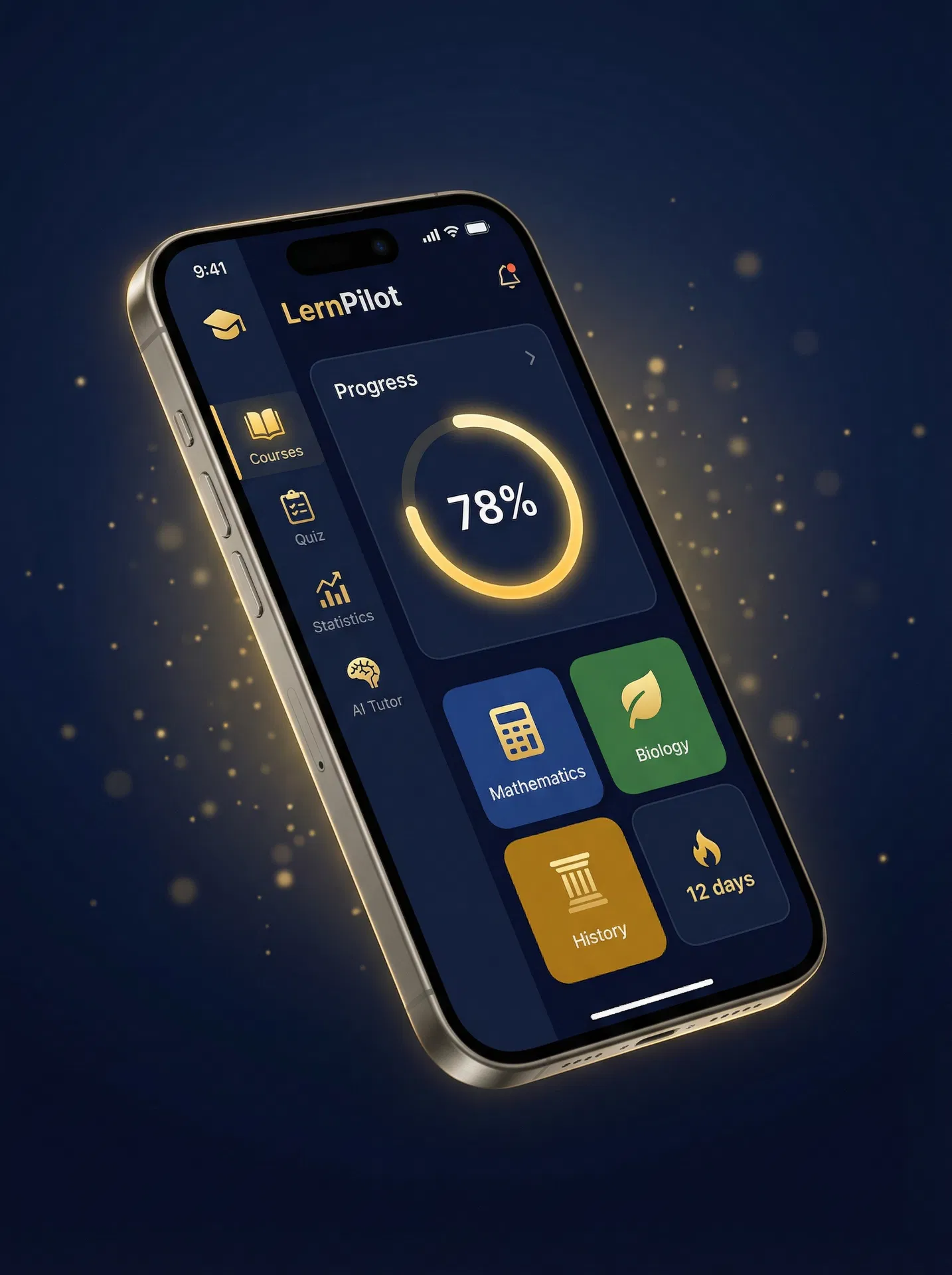
Want to apply these techniques straight away? With LernPilot you can learn with AI support and optimize your learning strategies.